Pages

Showing posts with label brazil. Show all posts

August 26, 2013

Linguistic And Natural Diversity In Brazil

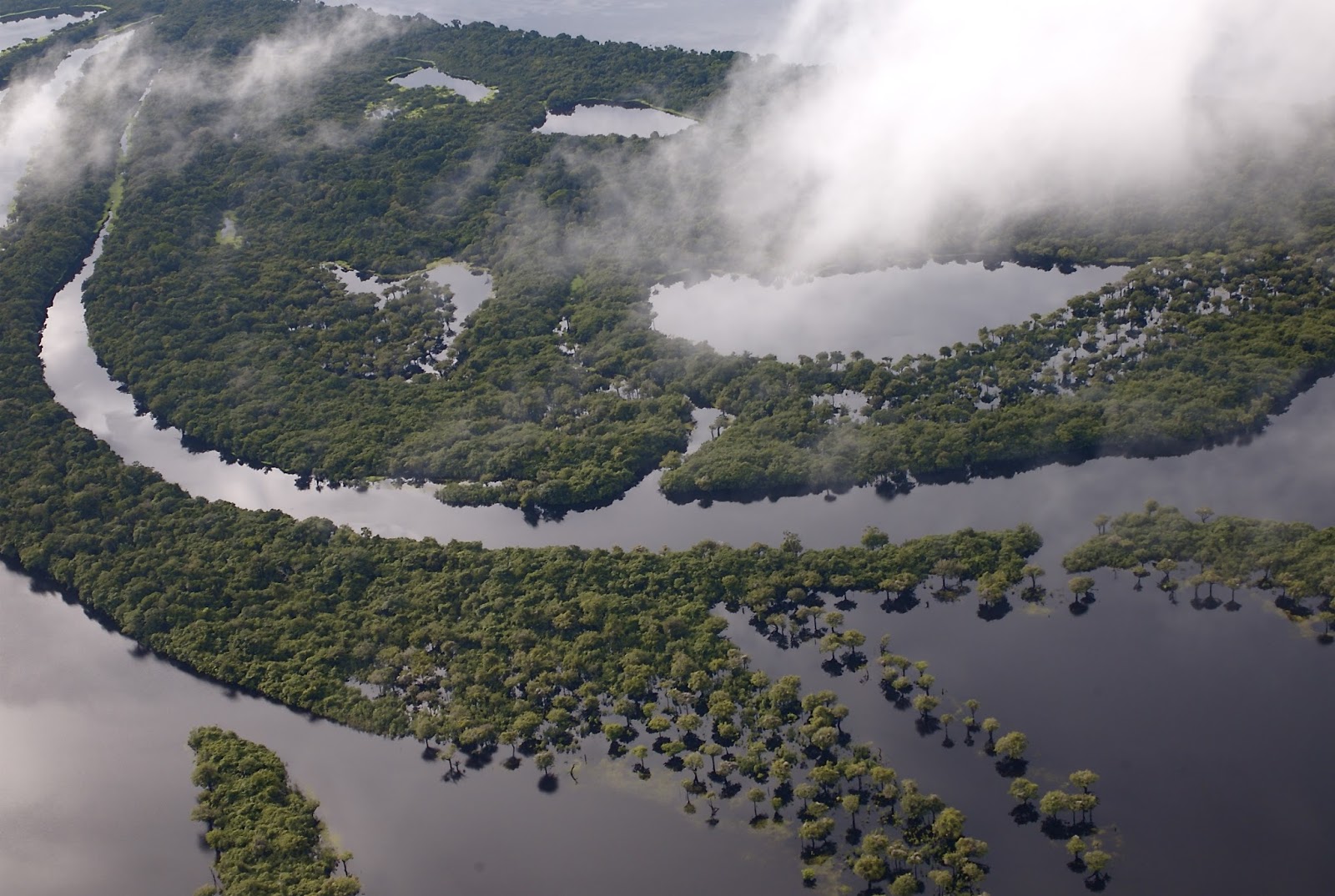
Brazil is the largest country in South America and the home to the largest Portuguese speaking population in the world. The Amazon Rain Forest and Amazon River represent some of the most amazing and important natural contributions to world heritage to be found on Earth.


The Portuguese language is a very important part of culture in Brazil since it sets the country apart from its many Spanish speaking neighbors throughout the rest of South America and Latin America. There are also 180 recognized indigenous languages spoken throughout the country. There is also a strong deaf community in Brazil that uses Brazilian Sign Language, or LIBRAS, to communicate. Brazil has some of the strongest laws for the protection of Deaf rights in the world including inclusion of deaf people through interpreters into all levels of government and social infrastructure, especially education.

There is incredible biodiversity in Brazil thanks to the Amazon Rain Forest’s habitat and natural surroundings. The Amazon is home to many endangered and rare species that cannot be found anywhere else on Earth. This applies to both plant and animal life. Contributions to world heritage from the Amazon region of Brazil include the development of many important medicines from natural plant sources that can solely be found in this rain forest. International groups, including the United Nations, have made a massive effort in recent years to prevent the destruction of plant and animal life as well as important habitats throughout the Amazon. In addition to being a part of world heritage, this region contributes extensively to the modern economy of Brazil because of its agricultural potential.

March 27, 2013

The Natural Wonders Of South America

There is an incredible level of diversity throughout the lands of South America, both geographically and culturally. As a continent, its level of biodiversity is incredibly high thanks to a wide range of habitats including rain forests, rivers, mountains, and deserts being spread throughout its nations.
The Amazon rain forest, a large portion of which is located in the South American country of Brazil, is one of the most biodiverse places on earth. It is the largest rainforest and features the Amazon River, the largest river by volume on the planet. There are several different animal species that can only be found in South America including the anaconda, piranha, vicuna, llama, tapir, and jaguar. The Galapagos Islands, which are located off the coast of Ecuador, are also home to many endangered species that are not found anywhere else on the planet. More than 97% of those islands are conserved as a national park and are protected from damage that could be done by humans or harmful tourism practices.

South America contributes to world heritage in many ways since it is home to a long list of remarkable aspects of nature. Angel Falls in Venezuela is the highest waterfall on Earth; much farther south in the continent you can also find Iguazu falls, an amazing waterfall cascade on the border of Brazil and Argentina, which has been named one of the New Seven World Natural Wonders. The Atacama Desert, also found in South America, is the driest place on Earth. Lake Titcaca, on the border of Bolivia and Peru, is the highest navigable lake in the world. This is just a short list of the many natural wonders that South America offers to the world’s heritage.